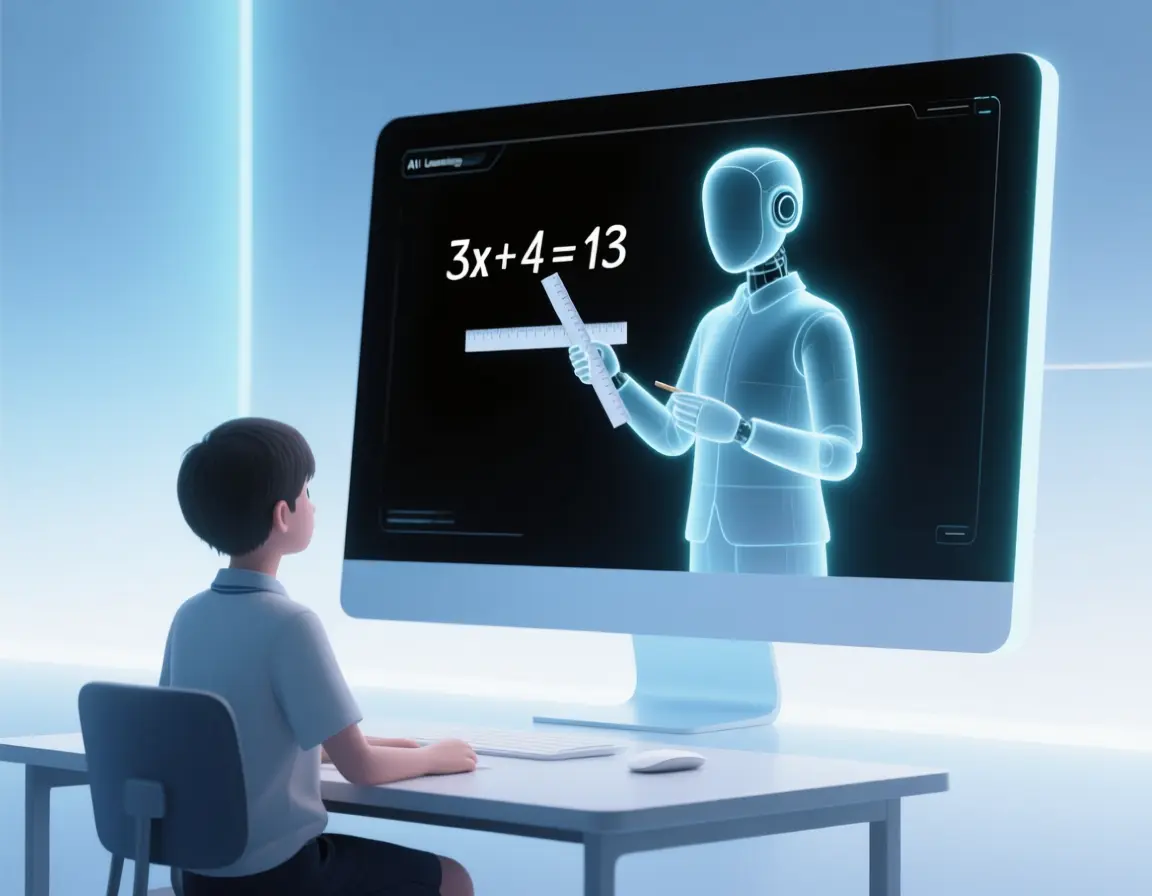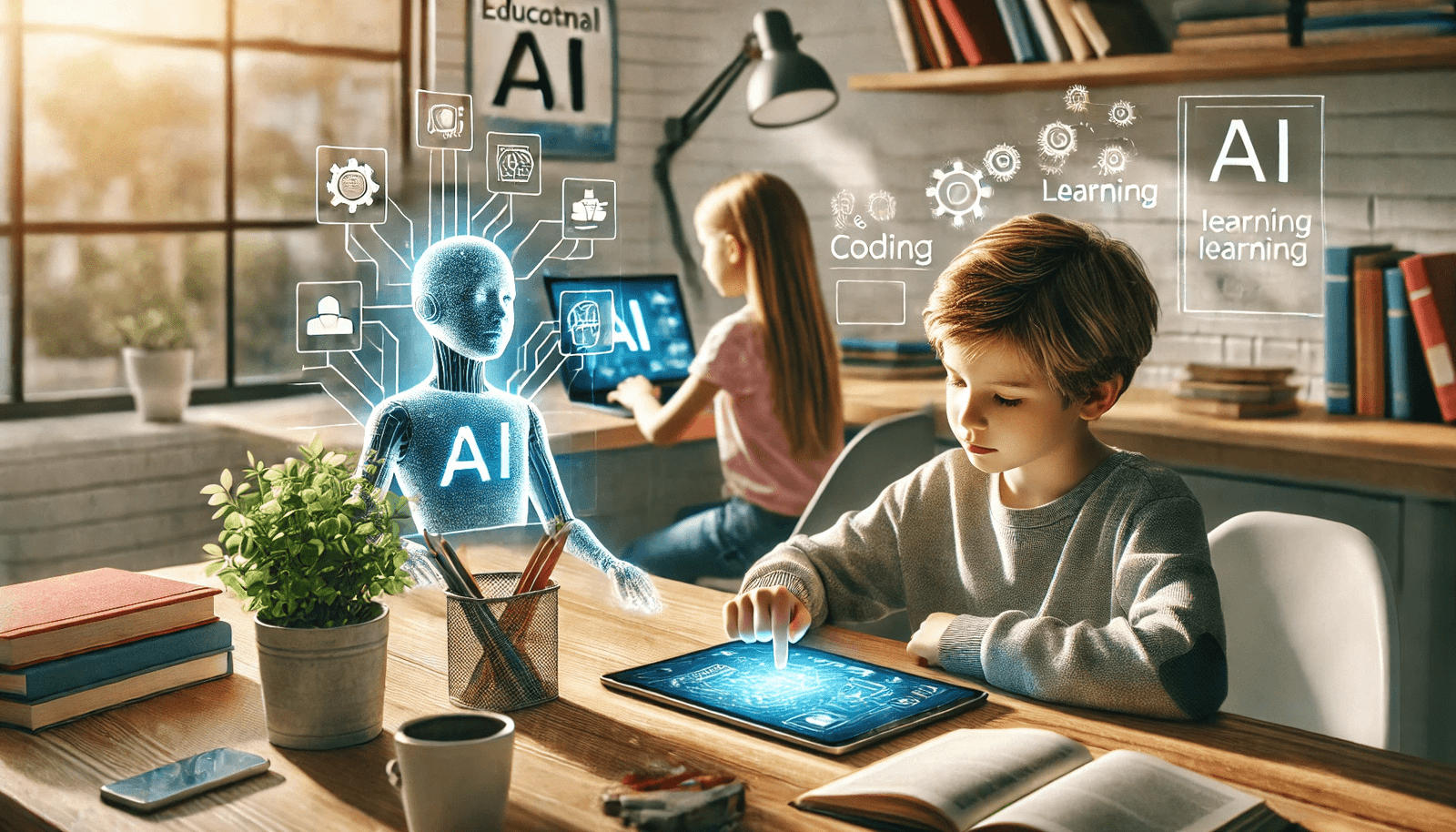
Artificial intelligence isn’t just a buzzword anymore. It’s quickly becoming a game changer in education. Schools, colleges, and even online learning sites are jumping on board, weaving AI tools into daily lessons. Not so long ago, this stuff felt like science fiction, but now it’s totally normal in classrooms. Students and teachers aren’t just using AI for fancy tech, also it’s making things easier. From study apps that cater to your brain to grading systems that zip through papers, AI is helping everyone be more productive.
For folks between 20 and 50, this shift hits especially close to home. Lots of adults are getting back into learning, upgrading their skills, or taking courses online. AI isn’t just making education more accessible. It’s also adapting to what each person needs, which is pretty handy if your life is already busy.
Personalized Learning: A New Way to Study
Honestly, one of the coolest things AI brings to classrooms is personalized learning. Before, teachers had to teach the same lesson to a room full of different learners. But every student is unique. Some people need more time, while others blaze through. AI flips the script. It actually changes the material based on how each student is doing.
Now, learning apps track how fast you answer questions, notice where you get stuck, and suggest extra practice when you’re struggling. It’s not just generic reviewing; the system shifts gears and gives you simpler explanations when you need them. It keeps students interested and makes tough concepts easier to digest.
Apps for language learning, study sites, and online courses are already doing this. Personalized learning paths help you zero in on what needs work, so you’re not just wasting time on things you already get. Studying gets way more efficient this way.
Helping Teachers Work Smarter
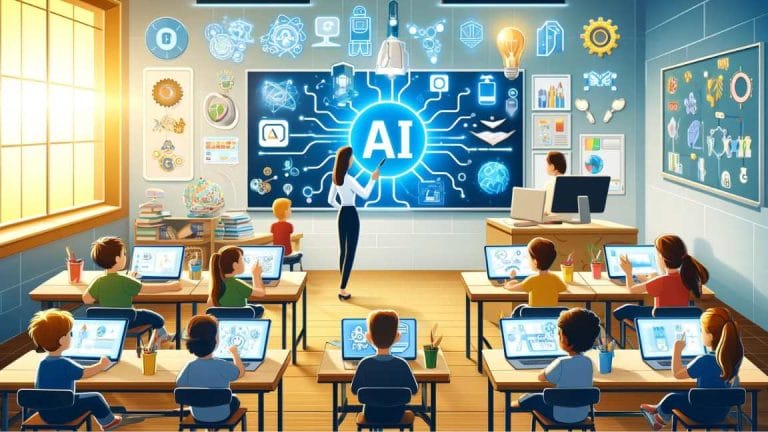
Teachers used to drown in paperwork such as grading, reviewing essays, organizing everything. AI is taking over the boring parts by automating most of these tasks.
AI grading systems handle multiple-choice tests in no time, and they’re getting better at looking over written answers too. Writing tools flag grammar mistakes and awkward sentences before a student even hits submit. Teachers don’t have to spend hours correcting basic errors; they can actually focus on deeper teaching and help students unlock critical thinking.
With less busywork, teachers get to do what really matters like mentor students, work through big ideas, and build skills that go way beyond memorizing facts.
Smarter Classrooms, Better Technology
AI isn’t just about learning apps; it’s helping organize classrooms, too. Things like computer vision are being used to automate roll call and grading. Machines scan answer sheets and instantly save results.
Digital classrooms can also use AI to monitor online tests, keeping things fair and honest. These systems notice odd behaviors and flag anything fishy, so remote learning is more secure.
Smart tech makes classrooms more welcoming, too. Real-time translation or live captions mean students who speak different languages don’t get left behind in lectures. Everyone gets a chance to follow along and participate.
AI Tutors: Extra Help Whenever You Need It
Another big shift is the rise of AI-powered tutors and chatbots. These digital assistants are always around. Got a question in the middle of the night? The chatbot’s got your back. You don’t have to wait for office hours or the next class that you get help when you need it.
If you’re working or juggling a million things, this flexibility is gold. You can study whenever you find a window in your day. Schools are also using chatbots to answer everyday questions about schedules, deadlines, course info and whatever. No more waiting in line at the student office; you get answers in seconds.
Challenges That Still Need Fixing
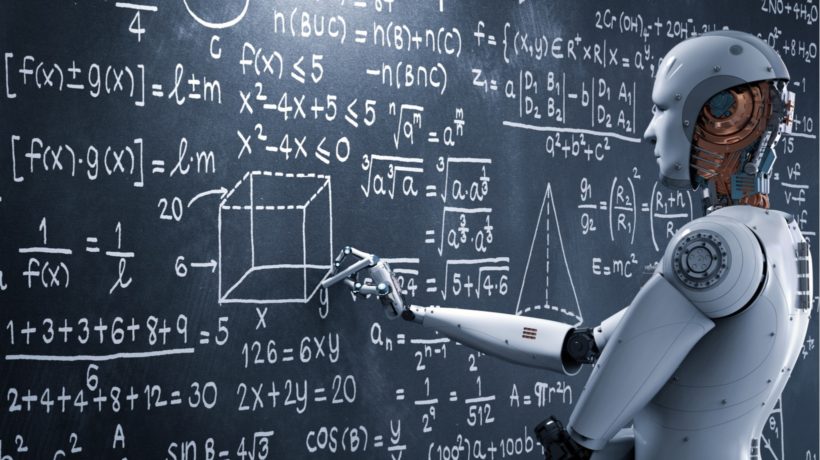
Even with all these benefits, AI in education isn’t perfect. Privacy is a big deal. These systems use tons of student data, so there are questions about how all that info is collected and kept safe.
Then there’s the digital divide. Schools with more money get the latest AI tools first, while others lag behind. If we’re not careful, this could make gaps in education even wider.
AI is fast, but it’s not flawless. Machines don’t really “get” people the way teachers do. You still need human insight to understand how students learn and to give real guidance that a computer can’t replace that.
What’s Coming Next
AI in education is picking up speed in governments, schools, and tech companies are pouring resources into smarter learning systems.
We can expect even more advanced virtual tutors, better personalized platforms, and tools for remote learning. But we’ll need rules to protect privacy and make sure everyone gets access to these improvements. When it’s done right, AI can make learning more efficient and welcoming for everyone.
Bottom Line
Artificial intelligence is changing education for the better. Students can learn at their own pace, teachers spend less time on chores, and learning stretches way past the boundaries of a classroom. Sure, there are some hurdles left like privacy and making tech accessible to all. But the good stuff is piling up fast. As technology keeps moving forward, AI is set to shape the future of learning in ways we can only start to imagine.