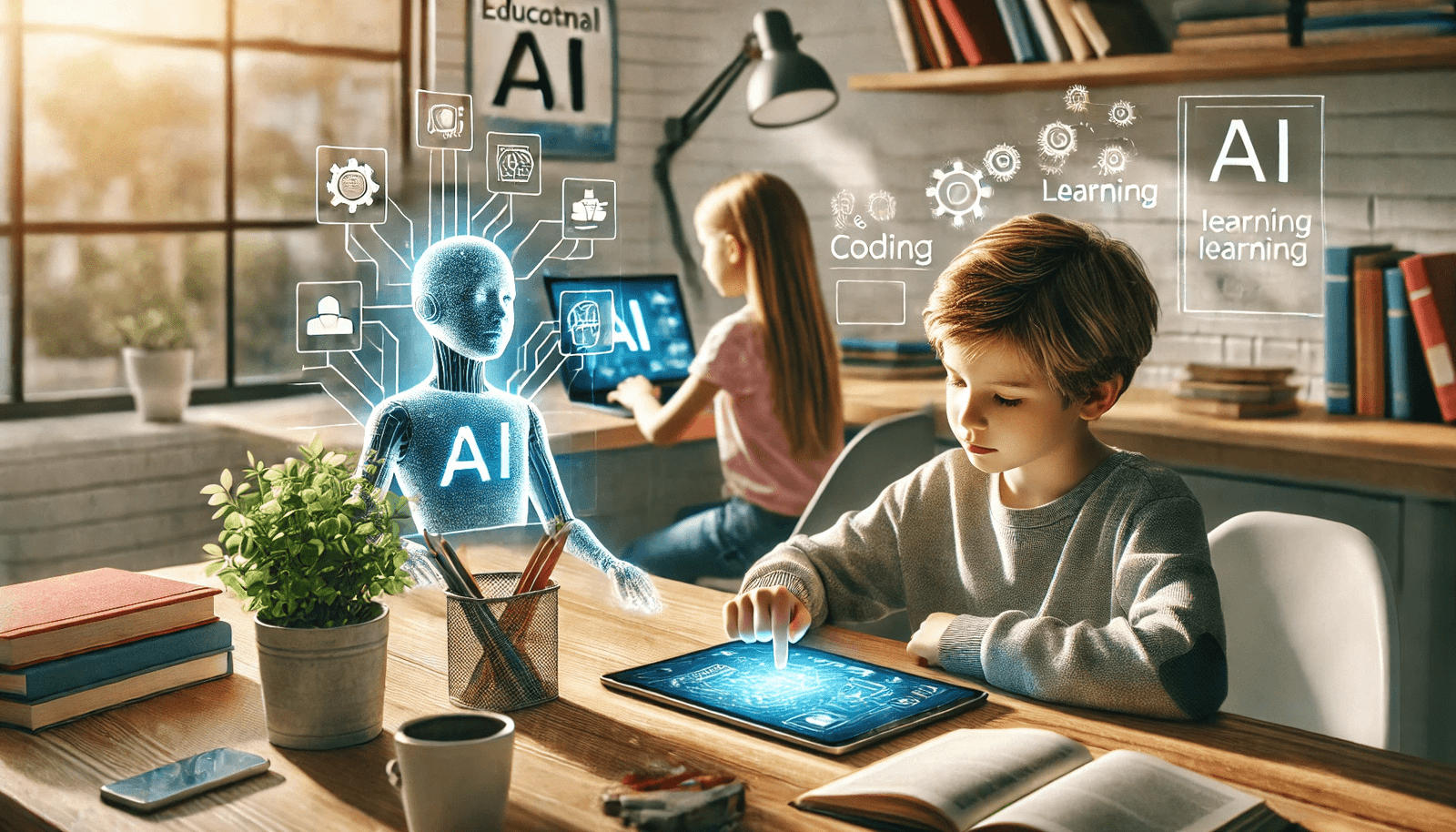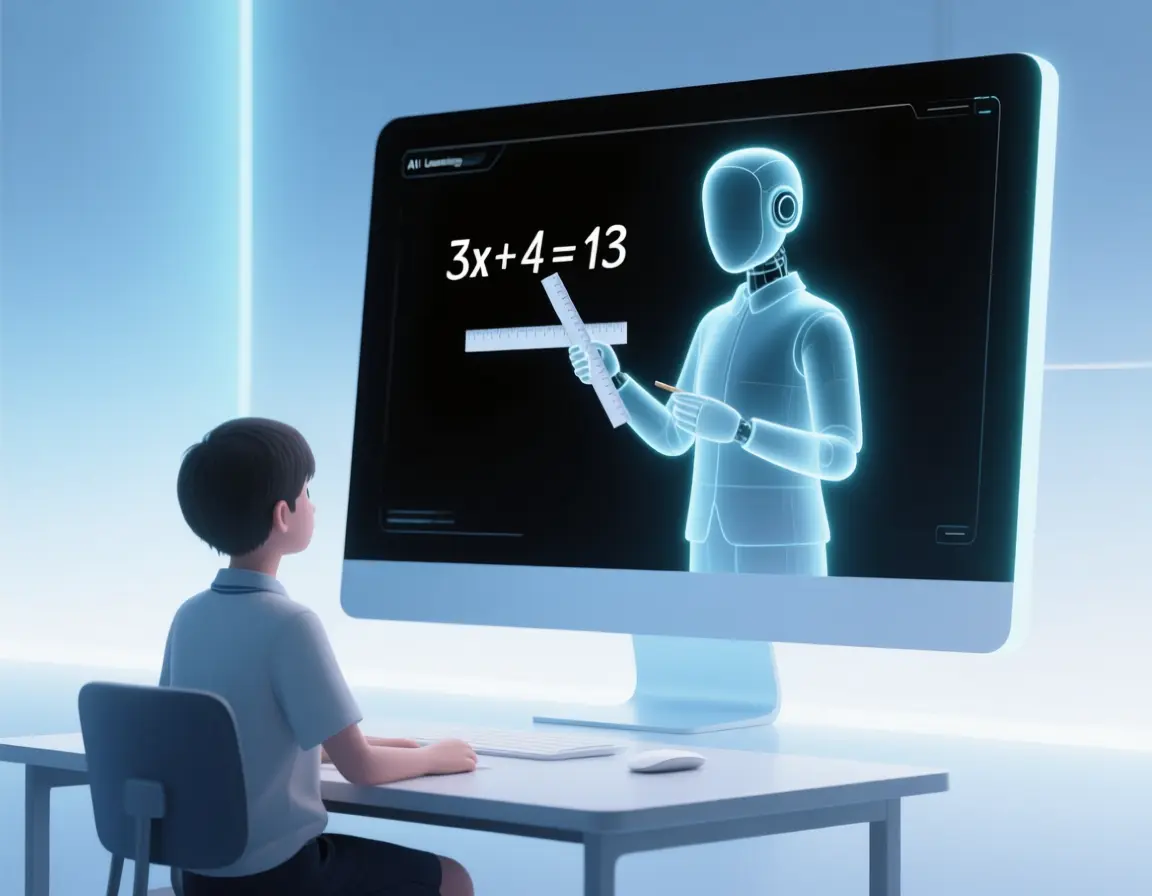
Education looks very different today than it did even a decade ago. Technology is becoming smarter, faster, and more accessible, and one of the most significant developments is the rise of AI tutors. These systems are not just advanced digital tools. They are actively transforming how people learn and interact with educational content.
For adults between the ages of 20 and 50, including university students, professionals, and lifelong learners, AI tutors offer a flexible way to continue learning without disrupting daily responsibilities. Instead of rearranging life around a classroom schedule, people can now fit learning into their existing routines.
How AI Tutors Work
AI tutors are intelligent software programs designed to guide learners through lessons while adapting to their progress. They monitor how a student studies, analyze performance, and modify learning materials to suit individual needs.
If a learner struggles with a topic, the AI tutor provides additional explanations, practice questions, and alternative examples until the concept becomes clear. If the learner is progressing quickly, the system introduces more challenging material to maintain engagement.
This adaptive approach means the learning experience shapes itself around the individual rather than forcing everyone into the same rigid structure.
Personalized Learning Paths
One of the most valuable advantages of AI tutors is their ability to create personalized learning paths. Every person learns differently. Some prefer visual explanations, while others benefit from step by step practice.
AI systems evaluate a learner’s strengths and weaknesses and then build lessons that focus on areas needing improvement. This prevents learners from wasting time reviewing topics they already understand while ensuring they get extra help where it matters most.
The result is a learning experience that feels more efficient, less stressful, and far more motivating.
Instant Feedback for Faster Progress
Traditional education often involves waiting for feedback on assignments or tests. This delay can slow the learning process and make it harder to understand mistakes.
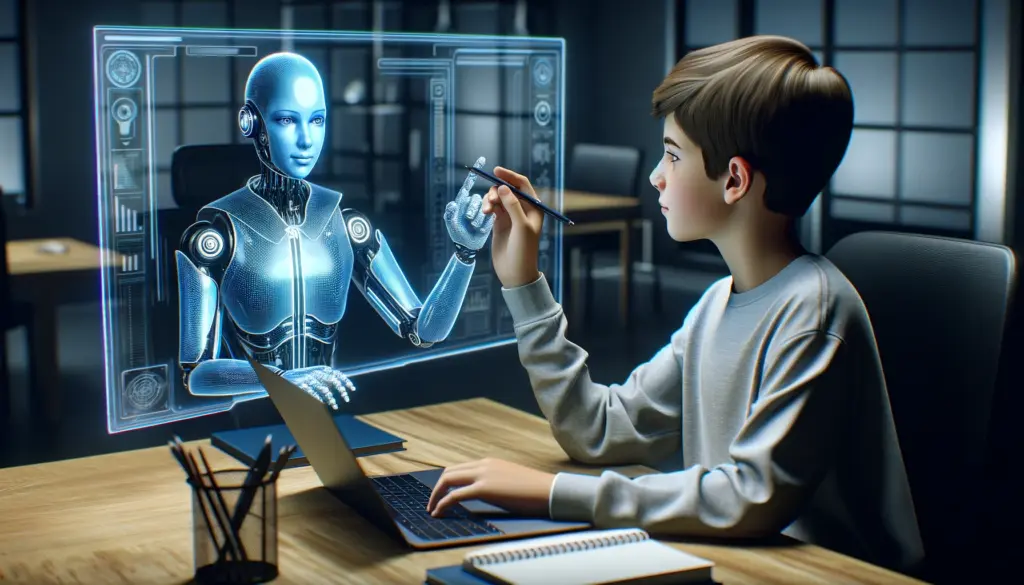
AI tutors solve this problem by providing instant feedback. When a learner answers a question or completes an exercise, the system immediately evaluates the response and explains whether it is correct.
This quick feedback helps learners correct mistakes before they become habits and allows them to grasp concepts more effectively. As a result, progress tends to be faster and more consistent.
Flexible Learning for Busy Lives
Another reason AI tutors are gaining popularity is the flexibility they offer. Many adults today juggle work responsibilities, family commitments, and personal goals, leaving little time for traditional classroom education.
AI powered learning platforms allow users to study whenever they have time available. Lessons can be paused, repeated, or skipped depending on individual schedules and preferences.
This flexibility makes learning accessible to people who may not otherwise have the opportunity to pursue additional education.
Supporting Teachers Instead of Replacing Them
Despite the growing capabilities of artificial intelligence, teachers remain essential in the learning process. AI tutors are designed to assist educators rather than replace them.
By handling repetitive tasks such as grading assignments or tracking student progress, AI systems allow teachers to spend more time mentoring students and explaining complex ideas.
Human educators also provide emotional support, encouragement, and real world perspectives that technology cannot fully replicate. The best learning environments combine the strengths of both AI tools and human guidance.
Challenges and Concerns
While AI tutors offer many advantages, they also present important challenges. One of the biggest concerns involves data privacy. These systems rely on large amounts of student data to personalize lessons, so protecting that information is critical.
Another issue is equal access to technology. Not everyone has reliable internet access or modern digital devices. Without addressing this digital divide, some learners may miss out on the benefits of AI powered education.
Ensuring secure systems and wider access will be essential for making AI driven learning fair and inclusive.
The Future of AI Tutors
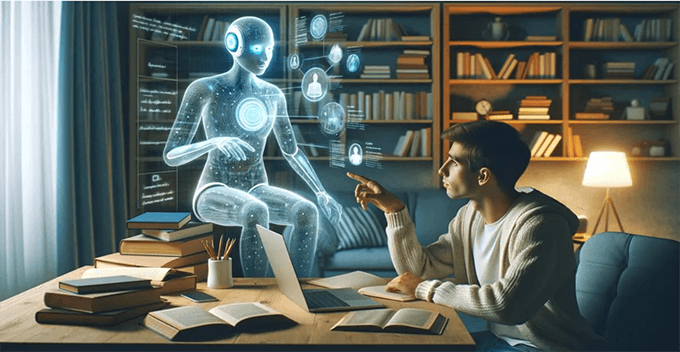
Looking ahead, AI tutors are expected to become even more advanced. Improvements in machine learning and natural language processing will allow these systems to better understand how people learn.
Future AI tutors may also become better at recognizing emotional signals and adapting teaching styles accordingly. This could create learning environments that are both highly personalized and deeply engaging.
As these technologies evolve, personalized education may become the standard rather than the exception.
Conclusion
AI tutors are reshaping modern education by making learning more personalized, flexible, and efficient. They adapt to individual needs, provide instant feedback, and allow people to study at their own pace. However, technology alone cannot replace the value of human educators. Teachers bring empathy, mentorship, and real world insight that remain essential for meaningful learning.