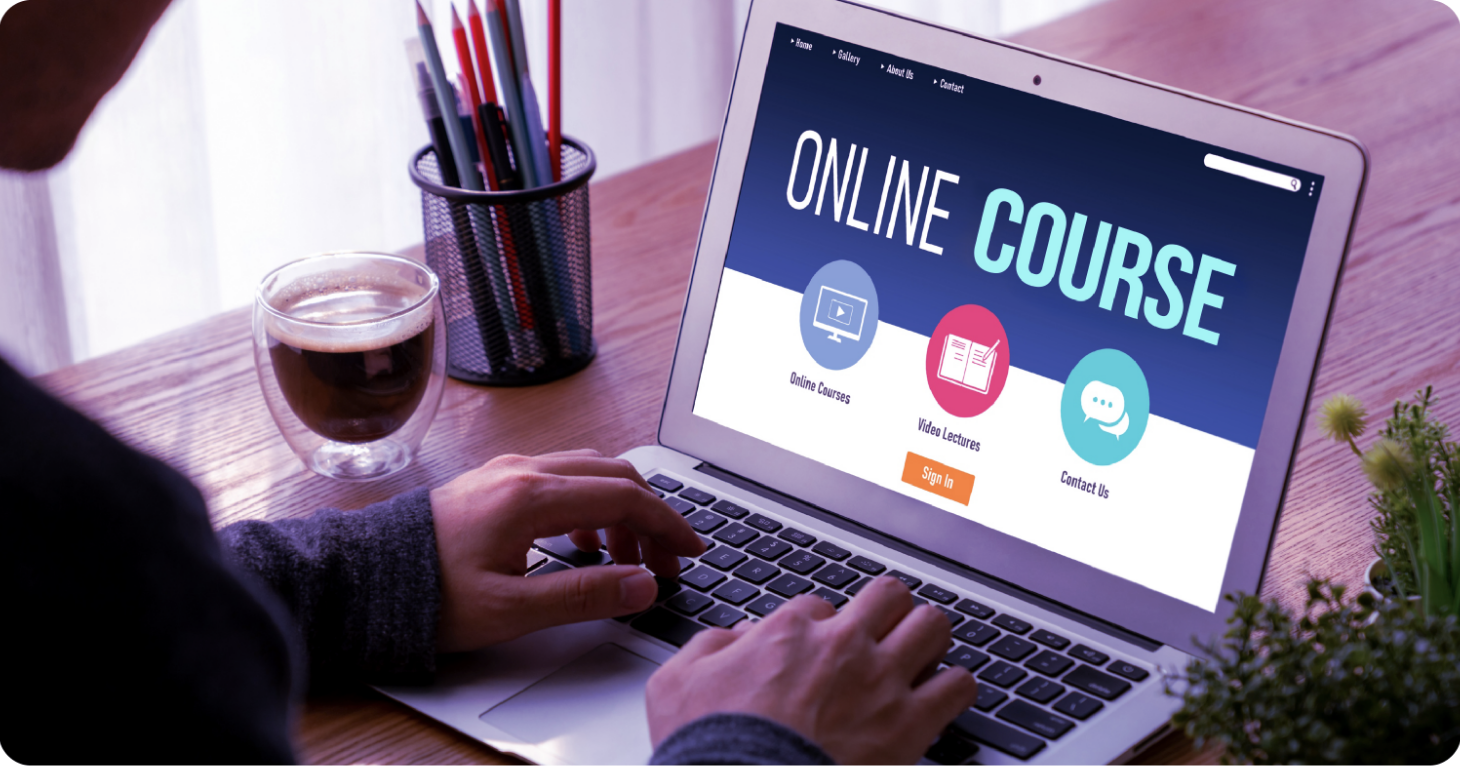
Digital technology has totally transformed how people learn. Before, you had to be in the right location, have enough cash, and cross your fingers there was a decent school or university nearby. Now, online courses changed all that. The internet, smart devices, and digital learning tools are opening up education to more folks. No matter where they live, what their story is, or how old they are.
Online courses aren’t just a fad. They’re turning into a big part of education around the world, helping millions pick up new skills, get knowledge, and land jobs they never thought possible.
Breaking Down Location Barriers
If you ask most people, one of the biggest perks of online courses is that they don’t care where you live. Old-school education always meant you had to show up in person and sometimes in cities, sometimes in places out of reach. That left out a lot of people, especially those in rural areas or countries with few schools.
Online platforms let you study from anywhere, as long as you have internet. Someone in a remote village can take the same course as a student in a huge city, even if the course is taught halfway around the world. Suddenly, opportunities appear for people who never had them before.
By cutting out location limits, online education lets people from underserved communities tap into high quality resources. That makes learning more inclusive and connects learners everywhere.
Learning That Fits Your Life
Flexibility is another huge reason online courses are growing so fast. These days, plenty of adults from ages 20 to 50 that have jobs, family duties, and everything else competing for their time. Regular classroom schedules just don’t work for everyone.
Online courses fix that. You can study whenever suits you. Materials, lectures, assignments and they’re available any time, day or night. You could watch a lesson after your shift ends, on the bus, or over the weekend.
This flexibility keeps people learning, no matter their stage in life. Workers can improve their skills without quitting their jobs, and people thinking about new careers don’t have to commit to full-time university programs.
Massive Open Online Courses (MOOCs) Changing the Game
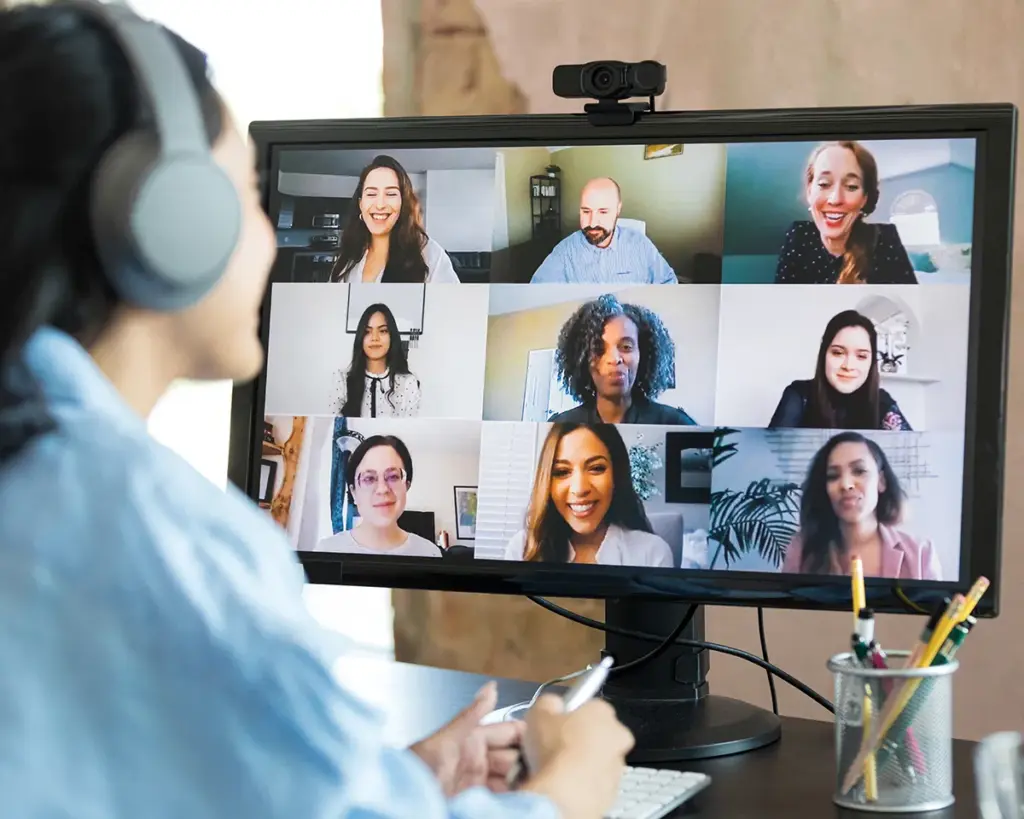
MOOCs have really pushed online education global. These courses are built to handle thousands or even millions of learners at once. Most MOOCs are free or pretty cheap. That matters for people who don’t have much money. Topics go way beyond tech and business and they cover healthcare, the arts, and more.
Because MOOCs scale so well, schools can reach audiences way beyond their own campus. One course might have students from dozens of countries, which builds a truly international classroom.
Mobile Learning Opens Even More Doors
Smartphones made online learning grow even faster. Now, students can pull up lessons on their phones or tablets. For lots of people in developing regions, their phone is their main connection to the web. Educational apps and mobile-friendly sites let them dive into learning whenever they want.
Mobile learning also brings in short lessons, quizzes, and personalized tracking. All this helps keep people engaged and makes learning easier to fit into daily life.
Challenges We Still Need to Face
Even with all these advantages, online education comes with real challenges. The digital divide is still a big deal. Not everyone has fast internet or the right devices.
Some students in low-income or remote areas deal with slow connections, outdated tech, or expensive data plans. That can lock them out of the benefits digital learning offers.
There’s also the question of teacher training. Teachers need support to build great online courses and use new tools well. Without it, the quality of online learning can be all over the place.
Solving these problems means governments, schools, and tech companies have to work together. Building better infrastructure and supporting teacher training is key.

What’s Next for Online Education?
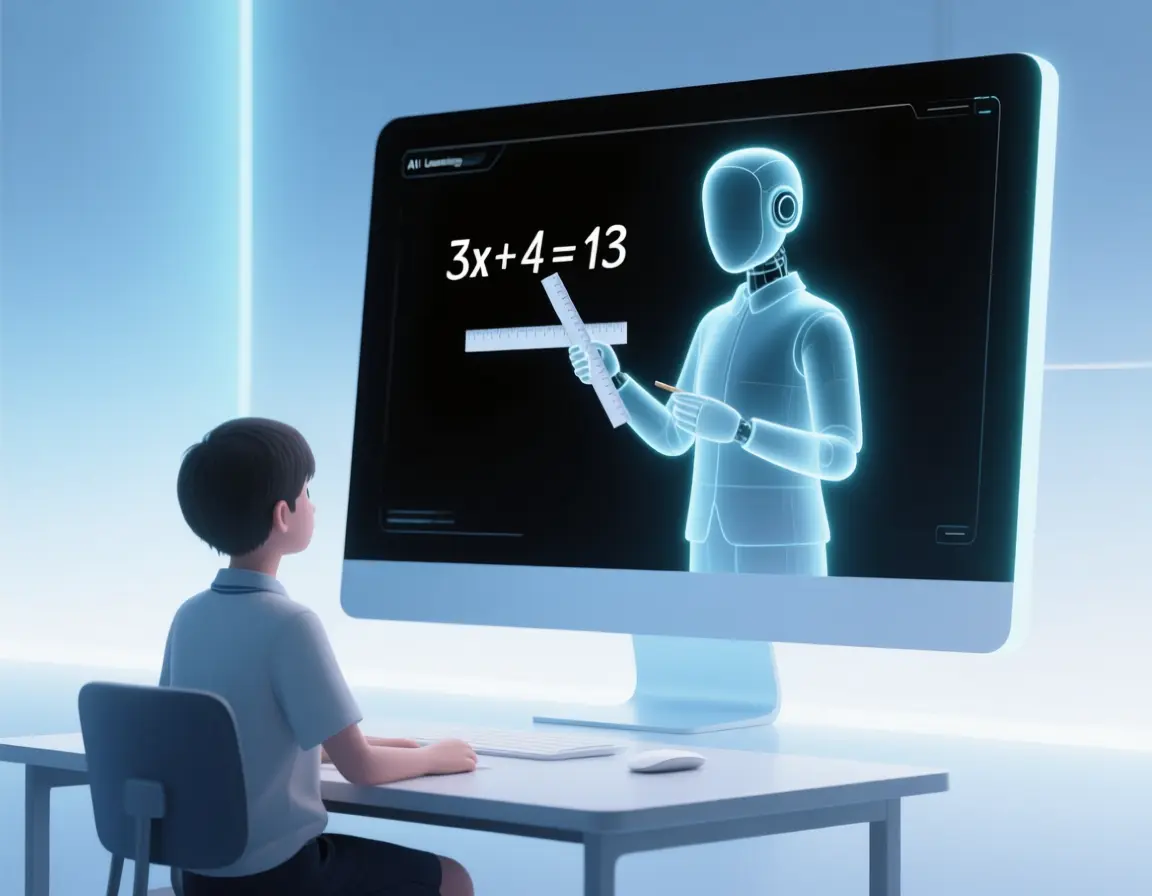
The future looks bright. New technologies like AI, virtual reality, and personalized learning systems that promise to make digital education even more interactive.
They’ll let students experience real-world situations, adapt to their unique learning styles, and make education feel more immersive. As tech keeps improving, online courses will only become more powerful.
In Conclusion
Online courses are changing global education for good. By knocking down location barriers, letting people learn on their terms, and keeping costs low, digital education is giving millions new chances to learn.
Sure, problems like lack of internet and teacher training still need work. But overall, the impact is hugely positive. As technology develops, online courses will keep making education more accessible, inclusive, and flexible everywhere.