The digital world has completely changed how we learn, connect, and make choices. News, opinions, and information fly across websites, social media, podcasts, and online groups in seconds. Sure, this instant access opens a lot of doors, but it also throws up some pretty big obstacles. The internet’s a wild mix: there’s real knowledge out there, but also a lot of misleading stuff, making it tough to figure out what’s true and what’s not.
That’s why critical thinking matters so much now. It helps you break things down, question what you’re seeing, and make good decisions in a world that’s only getting more complicated. You can’t just skip over critical thinking. But you need it if you want to handle the digital age with any kind of confidence.
A Flood of Information Online
For decades, digital tech has been pumping more and more info onto our screens. Websites, social platforms, blogs, news sites and other things, that they all spit out new content by the minute. We’re in a constant blizzard of opinions and data.
This kind of instant access obviously gives people a certain kind of power. But it brings trouble too. Not everything you read online is reliable. Some of it’s biased, some incomplete, and some flat-out false on purpose. Without the skill to sift through and really judge these sources, it’s easy to take fiction for fact.
Critical thinking cuts through the noise. When you stop to check sources, compare different views, and question bold claims, it’s a lot easier to tell what’s trustworthy and what’s just noise or manipulation.
Spotting Fake News and Misinformation
Fake news is everywhere right now, and it spreads fast. Clickbait headlines, viral stories that aren’t true. And people share them instantly, especially when they’re designed to grab your attention.
Fake news isn’t exactly a new trick, but the internet has turned it into a global problem overnight. Millions of users can share bad info in minutes.
If you think critically, you don’t just accept things at face value. You double check who’s saying what, look at more than one report, and ask whether the article backs up its claims with real evidence. When more people do this, less misinformation spreads, and we all stay a little more informed.
Why Information Literacy Matters
Critical thinking and information literacy go hand in hand. Information literacy is all about knowing what you need, finding the right stuff, judging if it holds up, and using it smartly.
With everything online such as articles, videos, memes, social posts and those information comes at us every which way, and each one has its own agenda, its own spin.
People who’ve got information literacy down can spot what matters, judge if it’s legit, and use it wisely in their lives. When you get good at this, you tend to make better calls, whether it’s about work or daily life.
Using Critical Thinking Every Day
Critical thinking isn’t just for homework or research papers. It pops up everywhere. Choosing what health advice to follow, weighing a financial offer, deciding who to trust and it’s constant.
At work, it’s a major asset. Employers want folks who can crack tough problems and dig through complicated info. If you can think things through, see all sides, spot risks, and find real solutions that stands out.
It also helps with communication and teamwork. If you can build a strong argument, back it up with good evidence, and actually have a decent conversation about it, you’re ahead of the game.
How to Get Better at Critical Thinking
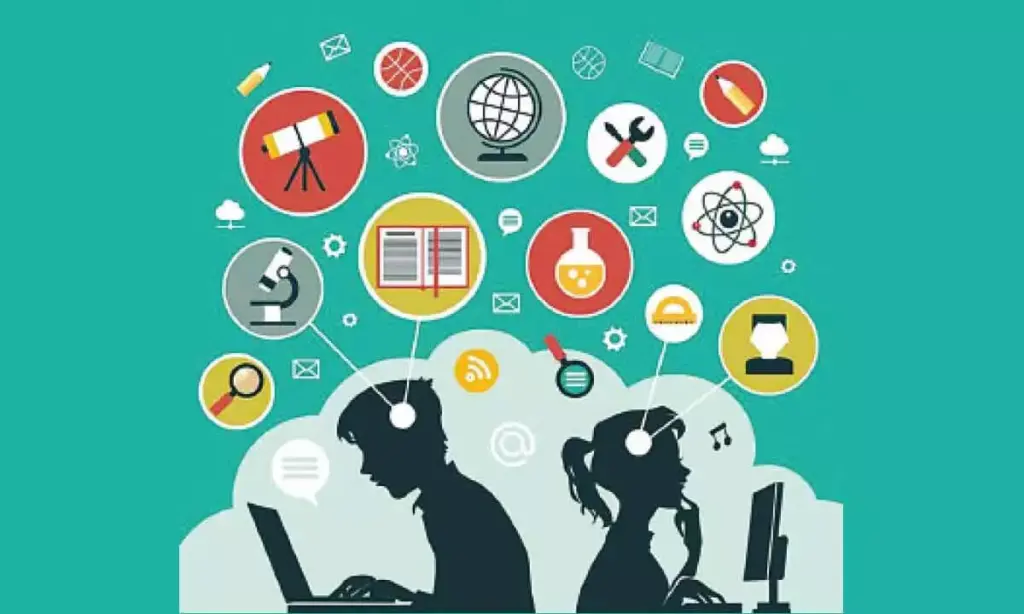
You don’t just wake up a critical thinker. But you need to build it with practice. Ask questions that go deeper. Don’t assume stuff just because everyone else does. Try looking at things from a view you don’t agree with, just to see what happens.
Read more. Argue both sides. Talk ideas out with other people. More and more, schools and training programs focus on these skills, because they know it’s what people need to succeed now.
Even using hands-on tools like group problem-solving or digital learning games will helps you sharpen that thinking muscle.
To Sum Up
The digital world is stuffed with info, good or bad, and opportunities mixed with pitfalls. Tech makes it easier than ever to learn, but also easier to get fooled.
Critical thinking is your toolkit for cutting through the mess. If you analyze carefully, double-check where things come from, and keep questioning, you make smarter calls and help everyone stay better informed.
Now that anyone can post anything, thinking for yourself is more important than ever. Critical thinking turns you from just another consumer into a real participant in the digital world.